
Ocean-Cleaning Robots– Fighting Plastic Pollution with Innovation

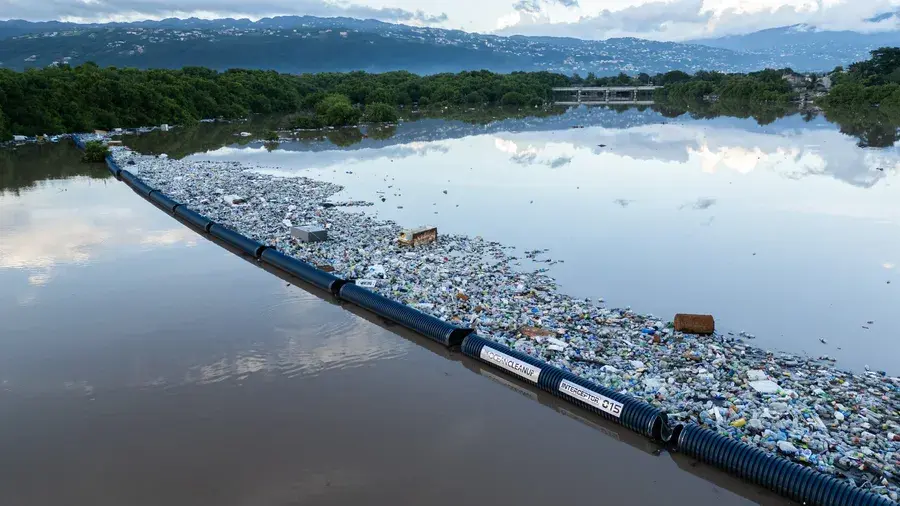
As the amount of plastic waste in our oceans grows every year, the health of marine ecosystems and human communities faces an unprecedented threat. Over 8 million tons of plastic enter the oceans annually, damaging coral reefs, trapping marine animals, and breaking down into microplastics that contaminate food chains. Traditional cleanup methods, like manual collection or fishing nets, have proven too slow and limited in scope. This is where robotics is stepping in — offering scalable, autonomous solutions to combat plastic pollution.
One of the most prominent initiatives in this space is The Ocean Cleanup, an organization that has developed large, solar-powered, semi-autonomous systems designed to collect floating debris in rivers before it reaches the open sea. These devices act like giant conveyor belts, skimming the surface and concentrating plastic for removal. By targeting rivers — the primary pathways through which land-based plastics enter the ocean — these robots tackle the problem at its source.
Smaller-scale innovations also play a key role. Clearbot, a startup project in Hong Kong, has designed AI-powered autonomous boats capable of navigating harbors and coastal waters while collecting trash. Using cameras and machine learning, Clearbot can differentiate between types of waste and log data about what it collects. This transforms the cleanup process into both an environmental solution and a source of valuable research data on waste patterns.
The benefits of these robots extend far beyond just removing visible trash. By operating continuously, often powered by renewable energy, they can cover large areas with minimal human intervention. They also reduce risks to human divers, who previously had to enter polluted or hazardous waters to perform cleanup. Additionally, they create a model for how automation can support sustainability at scale — by addressing a problem too vast for manual intervention alone.
Still, challenges remain. High development and deployment costs limit how widely these systems can be distributed. Coordination between governments, environmental groups, and private companies is essential, but not always easy to achieve. Maintenance in harsh marine environments also presents difficulties, as saltwater corrosion and unpredictable weather can damage equipment.
Despite these obstacles, the future of ocean-cleaning robotics looks bright. Emerging designs are focusing on modular, low-cost robots that can be deployed in fleets. Some prototypes are even experimenting with “bio-inspired” designs, mimicking fish or jellyfish movements to blend into ecosystems while collecting microplastics. As these technologies mature, they hold the potential not only to clean existing waste but also to prevent further damage by intercepting plastic at its entry point.
In conclusion, ocean-cleaning robots symbolize the fusion of environmental responsibility and technological ingenuity. They remind us that robotics is not only about competition or industrial progress but also about solving global crises. With continued innovation and collaboration, these machines could become one of the most important allies in restoring our oceans.



Comments